Yes, wisdom teeth often hurt when they grow in, and that discomfort is completely normal. Most people feel a dull ache, pressure, or gum soreness in the back of the mouth as a wisdom tooth pushes through. What is not normal is severe, worsening, or lingering pain, and that difference matters a lot when you are trying to figure out whether to wait it out or call your dentist today. pain when new teeth grow
Do Wisdom Teeth Hurt When They Grow In? What to Expect

Marcus Holloway
24 Mar 2026
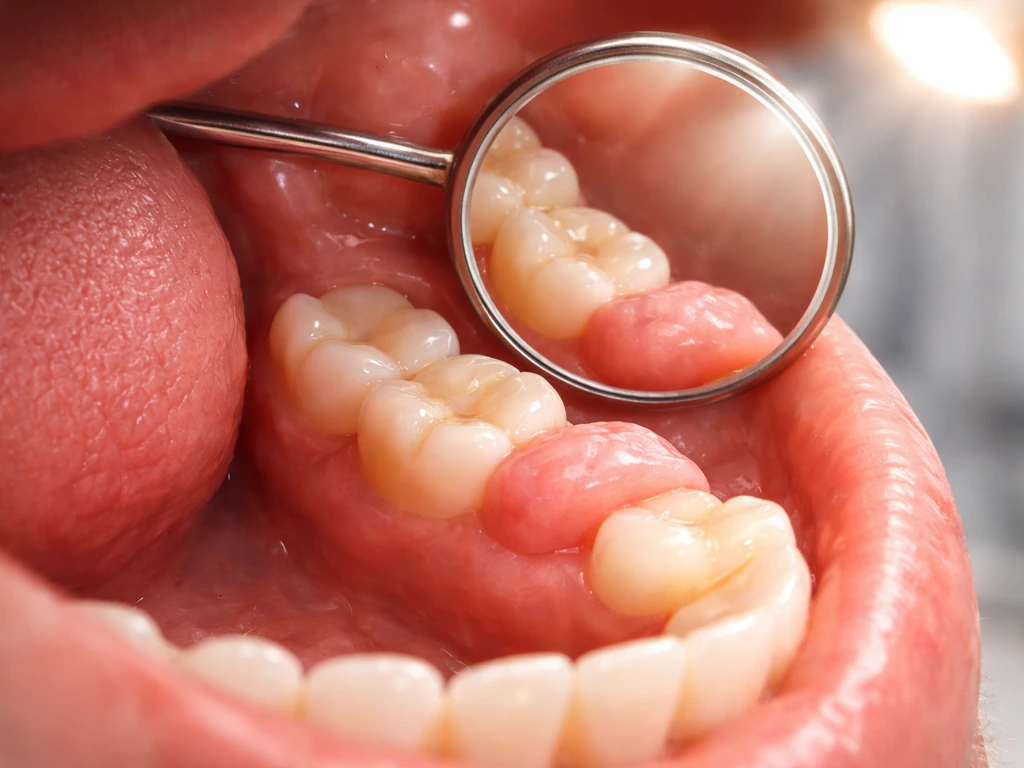
What wisdom tooth eruption actually feels like
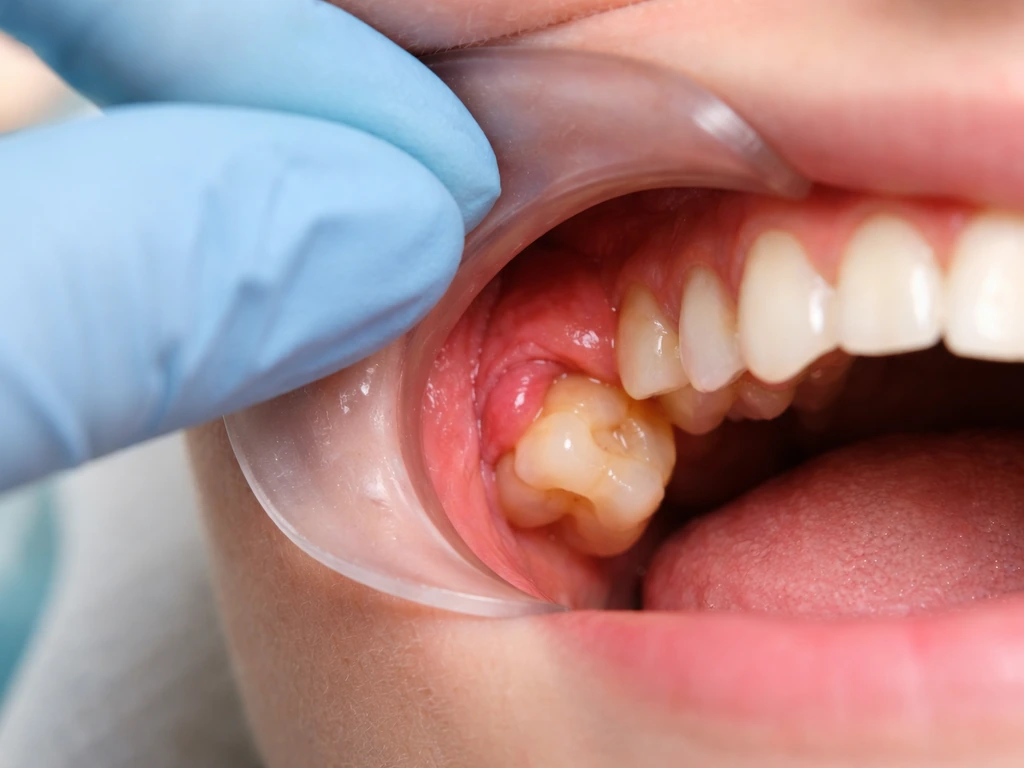
The most common description people use is a deep, dull ache at the very back of the jaw, on one or both sides. It can feel like pressure more than sharp pain, almost like something is pushing up from underneath the gum. That is exactly what is happening: a large molar is slowly forcing its way through dense gum tissue that has never been broken before. where do the wisdom teeth grow
Beyond the ache, you might notice tenderness when you bite down, swollen or puffy gum tissue right behind your last molar, and mild jaw soreness that sometimes radiates toward the ear or temple. Some people also get a headache during active eruption, which makes sense given how much pressure the surrounding tissue is under. If you have ever felt a toothache that seemed to buzz into your jawbone, erupting wisdom teeth can feel similar, just slower and more persistent.
Mild discomfort during eruption is so expected that the American Dental Association describes a "little discomfort" as a normal part of wisdom teeth appearing. The key word is little. If what you are feeling has moved from annoying to genuinely painful, that shifts the conversation.
How long the pain lasts and what the eruption timeline looks like
Wisdom teeth typically start erupting between ages 17 and 25, though some people see them earlier or later. Wisdom teeth typically start erupting between ages 17 and 25, though some people see them earlier or later. The full process is slow, often stretching over months or even a couple of years as the tooth gradually works its way into position. The pain does not last that entire time. Instead, it tends to come and go in waves, flaring up during active eruption phases and easing off in between.
A single eruption episode of discomfort usually lasts a few days to about a week. Most people find the soreness peaks early, then settles as the tissue adjusts. Clinical guidance suggests that if eruption pain persists beyond 3 to 4 days or starts getting worse instead of better, that is your signal to get a dentist involved rather than continuing to wait. Pain that keeps intensifying is not a normal part of the process.
Why wisdom teeth hurt more than your other molars did
There are a few reasons wisdom teeth cause more trouble than earlier molars, and understanding them helps you figure out what you are dealing with.
Pressure from eruption
A wisdom tooth has to push through mature gum tissue and, in many adults, a jaw that is already crowded with fully developed teeth. That creates real physical pressure on neighboring structures, which is why you can sometimes feel it in your second molar or even your ear. Erupting wisdom teeth are one of the most common causes of dental pain in young adults, precisely because of how much resistance they meet on the way in.
Gum inflammation around a partially erupted tooth
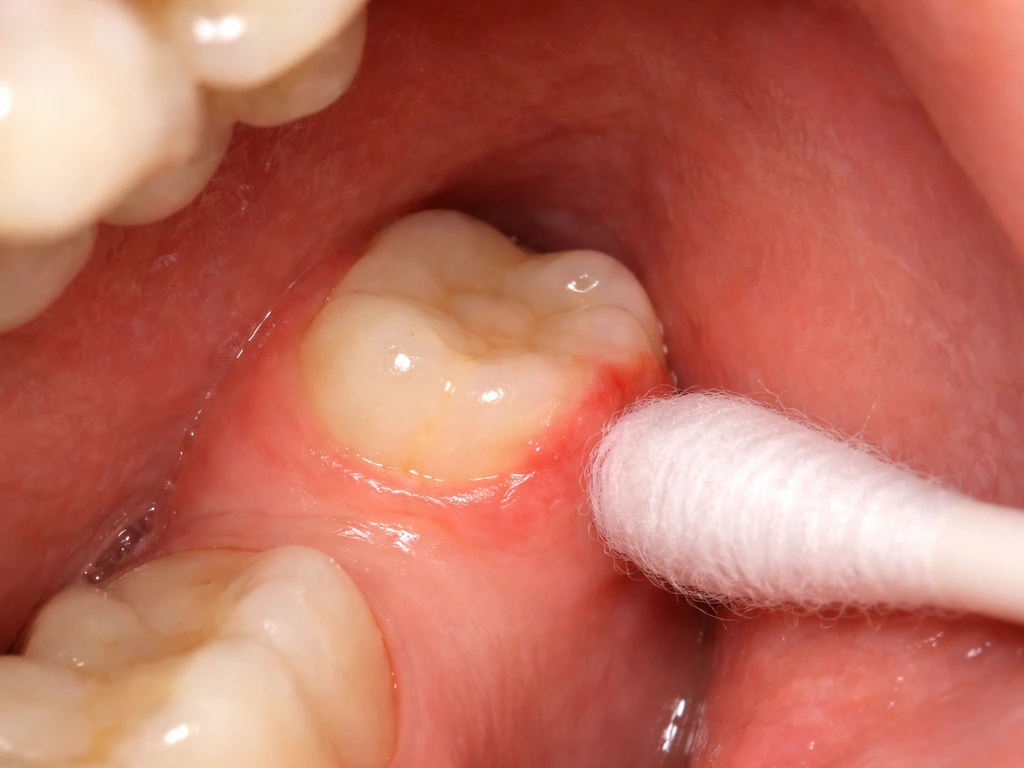
When a wisdom tooth is only partway through the gum, it creates a flap of overlapping tissue called an operculum. That flap is almost impossible to keep clean, and it becomes a trap for food debris and bacteria. The result is inflammation of the surrounding gum tissue, and it can escalate quickly into a condition called pericoronitis. Pericoronitis causes throbbing pain, swelling, and a bad taste or smell in your mouth. It is one of the most common complications of wisdom tooth eruption and a major reason why partial eruption is often more painful than full eruption.
Impaction and sideways growth
Sometimes a wisdom tooth does not have room to come in straight. It tilts sideways or grows at an angle and presses into the root of the molar in front of it. This kind of impaction creates chronic pressure pain that does not go away between eruption episodes. If you feel persistent, one-sided jaw pain rather than the typical wave-and-settle pattern, impaction is worth discussing with your dentist, ...there is a separate deep-dive on why [wisdom teeth grow sideways](/wisdom-teeth-growth/why-do-wisdom-teeth-grow-sideways) that covers this in more detail.
What you can actually do at home to ease the pain
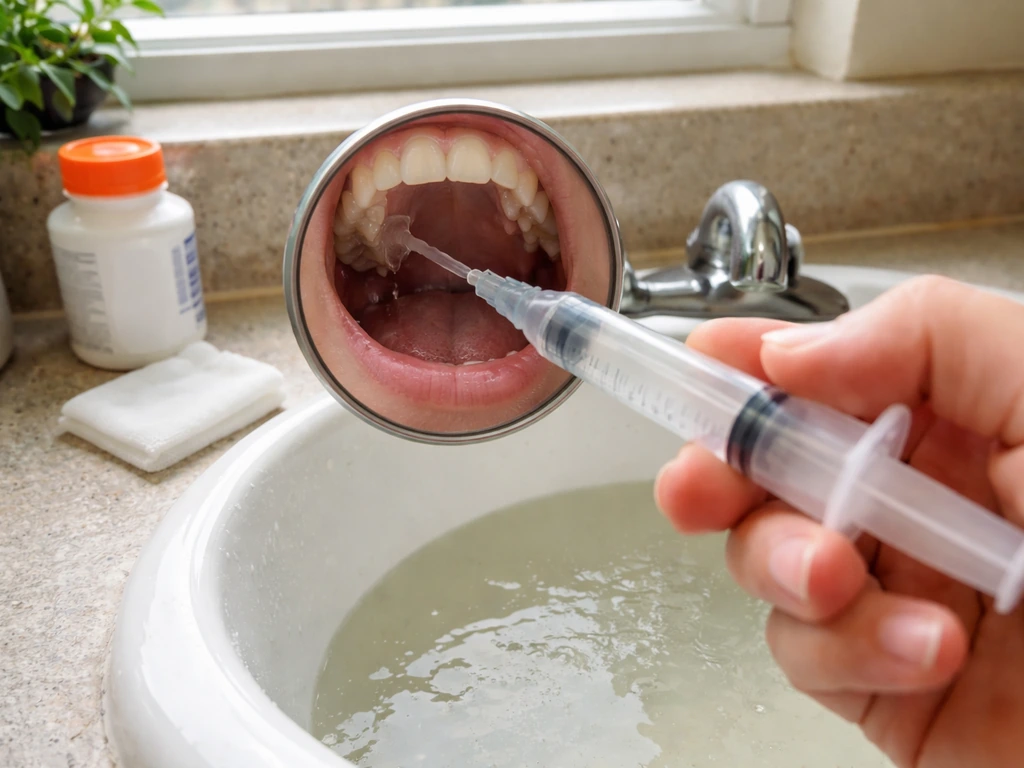
Home care works reasonably well for mild eruption discomfort. The goal is to reduce inflammation, keep the area clean, and manage the ache while the tooth works through. Here is what genuinely helps:
- Over-the-counter anti-inflammatories like ibuprofen (if you can take them) are more effective than acetaminophen alone for eruption pain because they target the inflammation, not just the pain signal. Follow the dosing instructions on the packaging.
- Warm saltwater rinses (about half a teaspoon of salt in eight ounces of warm water) help flush debris from around the erupting tooth and calm inflamed gum tissue. Do this gently two to three times a day, especially after eating.
- Cold compresses applied to the outside of your jaw for 15 to 20 minutes at a time can reduce swelling and numb the area, particularly useful if you have noticeable facial puffiness.
- Topical numbing gels containing benzocaine can provide short-term surface relief on the gum tissue. They do not fix anything, but they can take the edge off when the soreness is bad.
- Keep the area clean. Gently brush around the emerging tooth and use an irrigator or syringe to rinse under any gum flap if your dentist has advised it. Letting debris accumulate makes everything worse.
- Stick to softer foods while the area is actively sore. Hard, crunchy food pressing directly onto inflamed gum tissue will make your day miserable.
One thing to avoid: do not continuously prod the area with your finger or tongue. It is tempting, but it introduces bacteria and keeps the tissue irritated. Give it a chance to settle.
When to stop waiting and call your dentist today
There is a real difference between normal eruption discomfort and symptoms that mean something has gone wrong. The following are red flags that need professional attention, and not next-week attention either. These warrant calling your dentist the same day or going to an urgent care clinic.
- Pain that keeps worsening over several days instead of settling down, or pain that does not respond to over-the-counter medication at all
- Fever alongside jaw or gum pain, which is a classic sign that infection has moved beyond simple inflammation
- Visible swelling in the face, cheek, or jaw, especially if it is spreading or feels hard
- A bad taste in your mouth that persists, or pus visible around the tooth or gum tissue (both are pericoronitis warning signs)
- Difficulty opening your mouth, swallowing, or breathing, which can signal a spreading infection that needs immediate care
- Pain that radiates heavily into the ear, neck, or throat on the same side
- Bleeding gum tissue that does not calm down after gentle rinsing
Pericoronitis, the gum infection that develops around partially erupted wisdom teeth, can escalate into a more serious issue if left untreated. The Cleveland Clinic is direct about this: if you develop pericoronitis symptoms, schedule an appointment right away. This is not a condition to manage with home remedies and hope. Your dentist can clean the area, prescribe antibiotics if needed, and tell you whether extraction is the right long-term solution.
Also remember: even if your pain is manageable today, if it has been going on for more than 3 to 4 days without improving, that is a reason to get an exam. A dentist can take an X-ray and tell you exactly what the tooth is doing, whether it is on a good path or heading toward impaction or infection.
What does not grow back here (and why that matters)
Because this site covers a lot of questions about dental regeneration, it is worth being direct about a few things people commonly get wrong when it comes to wisdom teeth and regrowth.
First: wisdom teeth erupting is not regrowth. Eruption is the original development and emergence of a tooth that has been forming in your jaw since childhood. If a wisdom tooth does not fully erupt, it has not failed to regrow. It was never lost in the first place. These are biologically different processes. You might see the related article on whether <a href="/will-wisdom-teeth-grow-back">whether wisdom teeth grow back</a> for a full breakdown, but the short answer is: once a wisdom tooth is removed, it does not grow back. Humans do not get a third set of teeth.
Second: the enamel on your wisdom teeth cannot regenerate on its own. Once enamel is damaged by decay, acid erosion, or trauma, your body cannot rebuild it. Enamel has no living cells after a tooth fully forms. If your partially erupted wisdom tooth develops a cavity because the gum flap makes it impossible to clean properly, that cavity will not reverse itself. This is one of the practical reasons dentists sometimes recommend extracting wisdom teeth that are stuck in a partially erupted position: they are almost impossible to maintain, and damage tends to progress.
Third: gum tissue that is inflamed from pericoronitis can heal once the cause is addressed, but it does not regenerate in the sense of rebuilding lost structure. If the gum tissue around a wisdom tooth has been significantly damaged or destroyed by chronic infection, that tissue loss is not fully reversible without intervention. Managing eruption pain early, before infection sets in, is much better for your gum tissue than letting things drag on.
The practical takeaway is this: eruption pain is biology doing what it is supposed to do, but your body is not going to fix complications on its own. Mild discomfort during eruption will ease as the tooth emerges and the tissue adapts. Infection, impaction, and enamel damage do not resolve the same way. Knowing the difference is the most useful thing you can take away from all of this.
Quick comparison: normal eruption discomfort vs. something more serious
| Symptom or Sign | Normal Eruption Discomfort | Possible Complication (See a Dentist) |
|---|---|---|
| Pain character | Dull ache or pressure, intermittent | Throbbing, severe, or constant pain |
| Duration | A few days, improves on its own | More than 3 to 4 days, or getting worse |
| Swelling | Mild gum puffiness only | Visible facial or jaw swelling |
| Fever | None | Present alongside jaw or gum pain |
| Taste or smell | Normal | Persistent bad taste or pus visible |
| Mouth opening | Slightly tender when opening wide | Difficulty opening mouth or swallowing |
| Response to OTC pain relief | Helps noticeably | Little to no relief from ibuprofen or acetaminophen |
If your situation looks more like the right column than the left, make the call today. Wisdom tooth complications are very treatable when caught early, and much harder to deal with once an infection has had days to develop.
FAQ
How can I tell the difference between normal wisdom tooth pain and something infected?
It is more likely normal eruption pain if it is a dull ache or pressure that comes and goes, and you can also see or feel gum tenderness at the back of the mouth. It is less likely normal if you have throbbing pain, spreading swelling, pus or a persistent bad taste, pain that worsens day by day, or fever (those point toward pericoronitis or another complication).
Can wisdom tooth eruption pain radiate to my second molar or feel like tooth pain there?
If you have pain on the same side you can feel pressure behind the last molar, that is usually related to the erupting tooth. If the pain feels worse when you bite down, or your second molar feels sore too, that can happen when the wisdom tooth is pressing on neighboring roots or tissue, even before the gum fully breaks.
Why do wisdom teeth make my head or jaw hurt, not just my gum?
Yes. Many people get headaches or jaw aches because the area around the tooth is inflamed and your jaw muscles tighten to protect the sore side. If the headache is paired with gum swelling, bad taste, or worsening one-sided pain, treat it as part of the eruption problem and get evaluated rather than assuming it is just stress.
If the pain calms down after a day or two, do I still need to see a dentist?
Do not rely on one “good day” to decide you can wait. If the pain has lasted more than 3 to 4 days without clear improvement, or it keeps escalating during flare-ups, you should contact a dentist for an exam and X-ray, even if symptoms temporarily ease.
What symptoms with wisdom tooth pain mean I should not wait at home?
Pain with swallowing or opening your mouth more than usual can be a warning sign, especially if it comes with increasing swelling near the back of the throat or jaw. Those symptoms can indicate a spreading infection, so it is safer to get same-day dental or urgent care rather than waiting for the tooth to fully emerge.
Is it normal for gums to bleed when a wisdom tooth is coming in?
Expect some tenderness, but you should not have significant bleeding, foul discharge, or intense, constant throbbing. A small amount of spotting can happen with irritation, but persistent bleeding around a partially erupted wisdom tooth is a reason to be checked to rule out infection or other gum problems.
Why does the pain keep coming back instead of fully resolving?
If you get partial eruption pain repeatedly over weeks, that pattern can fit an operculum (the overlapping gum flap), which traps bacteria and triggers flare-ups of inflammation. Persistent or recurring pain, especially one-sided, is a good reason to ask your dentist whether you are dealing with pericoronitis risk.
How should I use pain relievers, and when does it become a red flag?
Over-the-counter pain control is often reasonable for mild eruption discomfort, but it should not mask symptoms that are getting worse. If you need increasing doses to stay functional, or the pain returns quickly as the medication wears off, that is a signal to get an exam.
Does eruption pain change if I’m older than the usual 17 to 25 age range?
Yes, your age matters. If you are older than the typical eruption window, the tooth may have less room and be more likely to become impacted or partially erupt, which increases the chance of chronic pressure pain or infection from the gum flap.
If home care helps a little, does that mean I do not have impaction?
If your wisdom tooth is impacted or growing at an angle, home care might reduce discomfort but will not remove the cause, so symptoms may linger for months. A dentist can confirm the position with imaging and discuss whether cleaning can control inflammation or whether extraction is the more reliable long-term fix.
Next Articles
Pain When New Teeth Grow In: What’s Normal and When
Know normal eruption pain vs warning signs, eruption timelines, causes, and safe home relief, plus when to see a dentist
Can Enamel Grow Back? What Helps and What Doesn’t
Learn if enamel can regrow, why it cannot, and how fluoride and remineralization can repair early damage.

Do Teeth Hurt When They Grow? Causes, Relief, and When
Understand if teeth hurt as they erupt, what’s normal vs damage, and get safe relief plus red-flag when to see a dentist